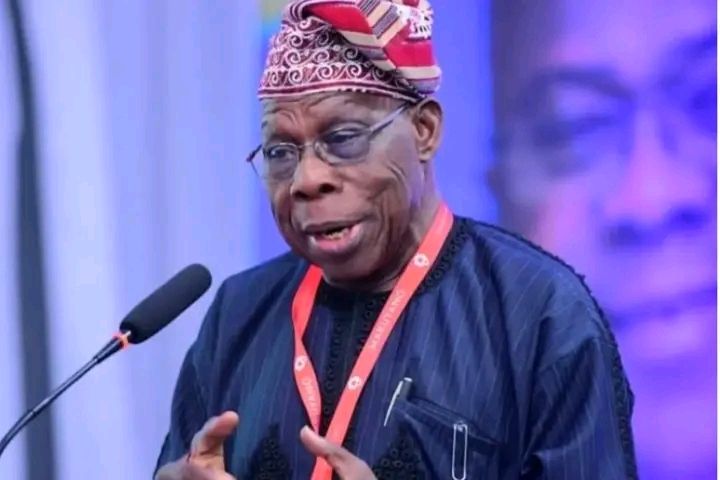
Former President Olusegun Obasanjo has declared that Nigeria has no business with poverty, blaming policy inconsistency, corruption and oil theft for the country’s current economic challenges that continue to affect millions of households.
"Nigeria has no business with poverty. We are blessed with resources, but policy inconsistency, corruption and oil theft have held us back." — Former President Olusegun Obasanjo
Speaking at a recent policy dialogue in Abeokuta, Obasanjo said the country is richly endowed with human and natural resources — oil, gas, arable land, youthful population — and should not be struggling with basic economic problems like food insecurity and unemployment.
According to him, the persistent issues of poor governance and lack of continuity in policies have crippled growth and deepened poverty across the country, despite several development plans since 1999.
Obasanjo Blames Corruption and Oil Theft
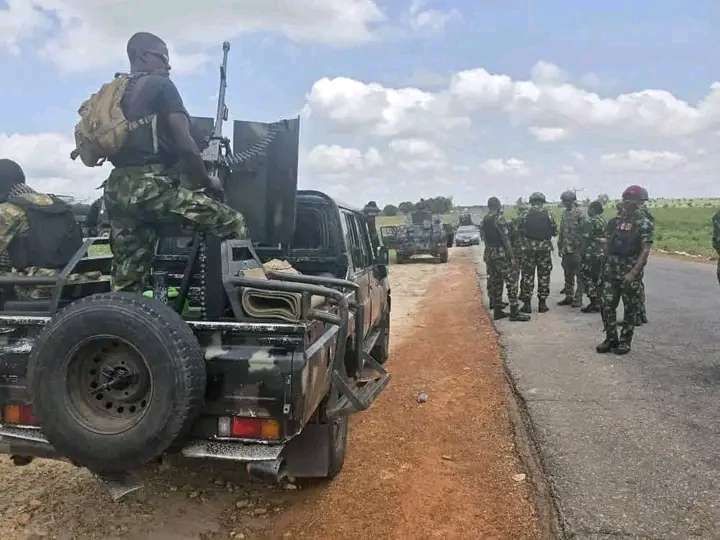
The former President pointed to corruption and the large-scale theft of crude oil as major factors draining Nigeria’s economy. He said these vices have robbed the nation of revenue needed for development, citing reports that Nigeria loses over 200,000 barrels per day to theft and vandalism in the Niger Delta.
He stressed that until the government tackles these issues head-on with transparency, technology tracking and accountability in NNPC Limited, poverty will continue to rise despite Nigeria’s natural wealth. He noted that oil still provides over 70% of foreign exchange earnings.
Obasanjo, who served as President from 1999-2007, said his administration created EFCC and ICPC to fight corruption and that institutions must be strengthened, not weakened by political interference.
Call For Policy Consistency
Obasanjo also criticized the habit of abandoning policies whenever there is a change in government — a practice common at federal and state levels. He said inconsistency has made it difficult for investors and citizens to plan for the future, citing abandoned agriculture, power and education reforms.
He urged current leaders to prioritize long-term planning over short-term political gains to lift Nigerians out of poverty, saying Nigeria needs a 20-year development agenda that survives administrations, similar to what Asian tigers did.
"We change policies as we change clothes. No investor will put long-term money where policies somersault every four years," he was quoted as saying.
Nigeria's Economic Potential
The elder statesman maintained that Nigeria has all it takes to be prosperous — 220 million people, 70% under 30, vast farmlands, gas reserves among largest in world, and creative industry. He said with the right leadership and accountability, the country can move from poverty to prosperity within a decade.
He called on citizens to demand better governance and for leaders to take responsibility for the state of the nation, not blame past administrations. He also advised youths to get involved in agriculture and technology rather than wait for white-collar jobs.
Reactions have been mixed. Some Nigerians agree that corruption and oil theft are root causes, while others say Obasanjo's own administration also had corruption cases. Economists note that poverty rate has risen from 40% in 2007 to over 60% multidimensional poverty today according to NBS, showing urgency for reform.
M2NICE Context: Obasanjo's statement is not new — he has said Nigeria has no business with poverty since 1976 as military head. The key question is implementation: blocking oil theft needs naval surveillance, metering at terminals, and prosecuting big sponsors, not just foot soldiers. Policy consistency needs National Assembly to legalize long-term plans so they can't be abandoned by next governor or president.
What Nigeria Loses To Oil Theft
Estimated loss: 200k-400k bpd at peak (NEITI)
Impact: Less FX, less FAAC to states, more borrowing
Solution suggested: Technology tracking, community policing, accountability


No comments yet. Be the first to comment!